A customer who just bought from you is not asking to be blasted with another generic promotion. They are most likely to buy again when the next offer feels useful, timely, and connected to what they already chose. That is what separates the best automated upsell campaigns from the kind that trains customers to ignore your messages.
For retailers, ranges, alcohol brands, tobacco businesses, multi-location operators, and service businesses, an upsell workflow should do one job: increase customer value without creating friction. The right campaign puts the right next purchase in front of the right person at the moment intent is highest. It does not rely on luck, manual follow-up, or a one-size-fits-all discount.
What Makes an Automated Upsell Campaign Work
An upsell is not simply a higher-priced product. It can be an accessory that completes a purchase, a larger format that offers better value, a replenishment offer, a premium service add-on, or a loyalty-driven reason to return. The common thread is relevance.
The strongest workflows are built around behavior. A customer who buys a new firearm may need range time, storage, cleaning supplies, or compatible accessories. A customer who orders a bottle for a celebration may respond to a curated bundle, a case offer, or a future event invitation. A home service customer may need a maintenance plan after a completed job.
Timing matters just as much as the offer. Send too soon and the customer has not had time to use the original purchase. Send too late and the buying momentum is gone. Automation lets you set that timing once, then run it consistently across every location and customer segment.
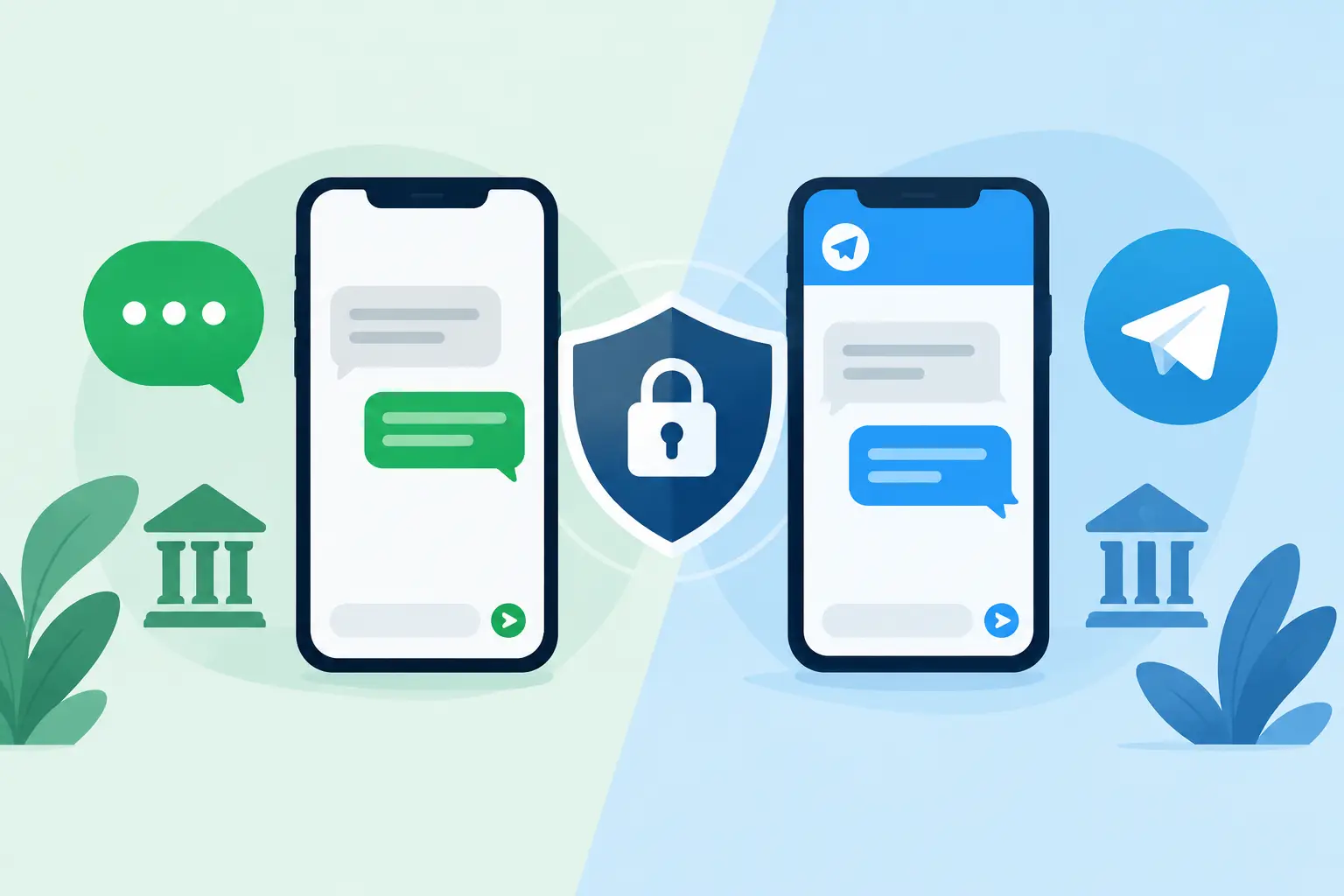
For regulated industries, performance and compliance have to work together. Carrier-approved SMS campaigns need documented consent, proper registration, and content that fits carrier rules. Vape, CBD, THC, and cannabis-adjacent businesses should use Telegram and email rather than SMS or text messaging. Channel choice is not a technical footnote. It determines whether your campaign can reliably reach customers at all.
Best Automated Upsell Campaigns to Build First
Start with campaigns tied to clear customer actions. These are easier to measure, easier to personalize, and more likely to generate revenue than broad promotional blasts.
1. Post-Purchase Accessory Follow-Up
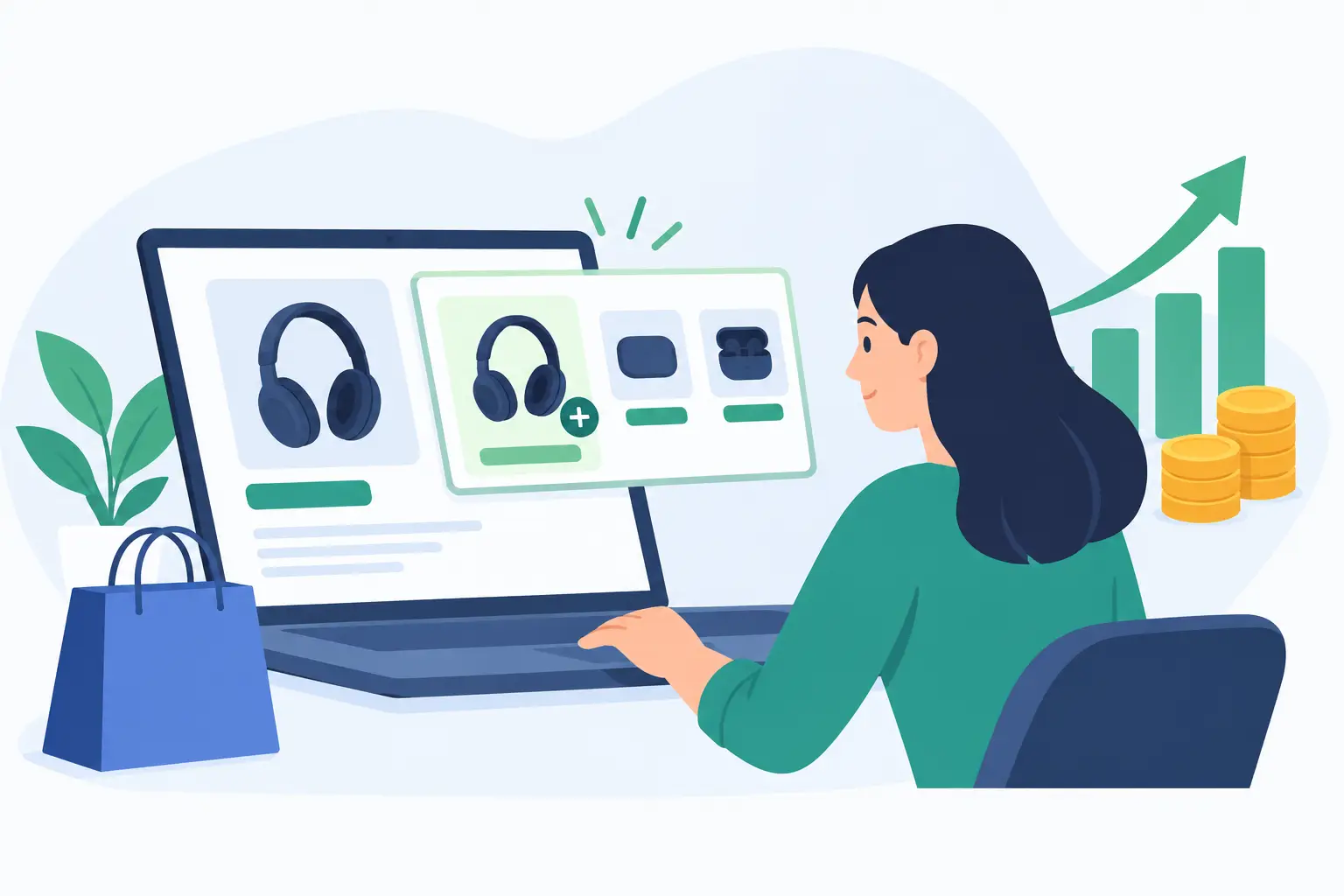
This is the workhorse campaign for product-based businesses. Trigger it after a completed purchase, then recommend one or two items that make the original product more useful.
A firearm retailer might follow an eligible purchase with a message featuring compatible cleaning products, safe storage options, a range membership, or a training session. A cigar shop can follow a premium cigar purchase with a humidor accessory, cutter, lighter, or a curated sampler. An alcohol retailer can promote a food pairing, gift set, or case option based on the category purchased.
Keep the message narrow. A customer should understand the connection in seconds. “You picked up a new range favorite. Make the next visit count with a lane package and cleaning essentials” is stronger than a catalog-style list of unrelated products.
2. Replenishment and Reorder Reminders
Some products are built for repeat buying. The problem is that customers rarely remember to reorder at the exact moment you want them to. A replenishment campaign turns that gap into a predictable sales opportunity.
Use purchase history to estimate when a customer may be running low. The right interval depends on the product. Consumables, subscriptions, maintenance items, and regularly purchased retail goods all have different buying cycles. Test a few intervals rather than assuming every customer will follow the same schedule.
A good reminder makes reordering easy and adds a reason to increase the order. Consider a bundle, a quantity incentive, free pickup threshold, loyalty bonus, or complementary item. The goal is not merely to recover the original transaction. It is to raise the value of the next one.
3. Cart Recovery With a Better Basket
Abandoned cart campaigns are often treated as recovery only. That leaves money on the table. When a shopper returns to a cart, show them what would make the order more complete.
The first reminder should focus on the products they left behind. If the cart is still abandoned, the second message can add a logical upgrade or add-on. For example, a customer shopping for event tickets might see a VIP upgrade. A restaurant guest ordering catering could see beverage service or dessert trays. An auto shop customer booking an oil change may be a fit for a tire rotation or inspection package.
Do not force an upsell into every recovery sequence. If the cart is already high value or the customer is clearly price-sensitive, an added offer can create hesitation. The best automation uses customer and cart data to decide when an add-on helps rather than hurts.
4. Loyalty Milestone Offers
Customers who repeatedly choose your business have earned a different message than first-time buyers. A loyalty milestone is a natural opportunity to reward that behavior while steering the next purchase toward a higher-value offer.
Trigger an automated campaign when a customer reaches a spending threshold, visit count, point milestone, or membership anniversary. The offer should feel exclusive, not like a coupon anyone could receive. Early access to a new product, a bonus reward on a premium purchase, or a members-only bundle can move repeat customers without cutting into margin unnecessarily.
This is especially effective for multi-location brands. A unified loyalty profile lets a customer earn and redeem across locations while giving your team a clearer view of what they buy, where they shop, and which offers actually change behavior.
5. Appointment and Service Add-Ons
Service businesses have an advantage: the appointment itself creates a dependable trigger. Instead of waiting for a technician or front desk employee to remember the follow-up, automate the offer around the customer’s service journey.
After booking, recommend useful add-ons before the visit. After completion, offer a maintenance plan, product refill, seasonal checkup, or referral incentive. The best pitch answers a practical question: what does the customer need next to protect the time and money they just spent?
Be careful with frequency. A customer who just completed a major repair may not be ready for another sales message the same day. In some cases, a helpful care tip or review request should come first, followed by the upsell after a reasonable delay.
Build Campaigns Around Segments, Not Assumptions
Automation gets powerful when segmentation goes beyond basic demographics. Purchase category, average order value, lifetime spend, location, loyalty status, recency, and engagement all tell you whether a customer is a good fit for a particular offer.
A high-value repeat buyer may respond to premium bundles and early-access offers. A first-time buyer may need education, social proof, or a modest add-on before they are ready for a bigger purchase. Someone who has not engaged in 90 days may need a win-back campaign, not another upsell.
Start with two or three segments you can clearly define and act on. Overbuilding a complicated tree before you have data usually slows execution. Once the core workflow is live, review performance by segment and refine the audience based on revenue, conversion rate, opt-outs, and repeat purchase behavior.
Write Messages That Create Action
Automated does not mean impersonal. Customers can tell when a message was written for everyone and when it was written for the moment they are in.
Lead with context. Reference the purchase, appointment, category, or milestone that triggered the campaign. Then make one focused recommendation and give the customer a clear next action. Short messages generally win because they reduce decision fatigue.
Avoid stacking multiple discounts, product categories, and calls to action into one message. The customer should not have to decode the offer. If you are promoting a bundle, say what is included and why it is valuable. If stock is limited, use that language only when it is true. Credibility compounds over time.
For SMS, keep consent, opt-out handling, registration, and carrier policies at the center of the program. OtterText helps regulated businesses run compliant SMS workflows where messaging is permitted, while its Telegram plus email plan gives ineligible vape, CBD, THC, and cannabis-adjacent brands a channel strategy built for their actual requirements.
Measure Revenue, Not Just Clicks
Clicks can be useful, but they are not the finish line. Track the revenue generated per recipient, conversion rate, average order value, repeat purchase rate, and unsubscribe rate for each workflow. These numbers reveal whether an upsell campaign is producing profitable growth or simply getting attention.
Run controlled tests on the variables that matter most: timing, offer type, audience segment, channel, and message angle. Change one major variable at a time so your team can identify what drove the result. A campaign with fewer clicks may still win if it produces more completed orders or higher-margin purchases.
Give every workflow enough volume before making a big decision. A handful of conversions can point you in the right direction, but consistent performance across a meaningful audience is what earns a campaign a permanent place in your automation program.
Make the Next Purchase Feel Obvious
Your customers already told you something valuable by buying, booking, visiting, or joining. Use that signal. Build an automated campaign that makes the next logical step easy to see, easy to take, and worthwhile for the customer. That is how upsells stop feeling like extra marketing and start becoming a dependable revenue engine.