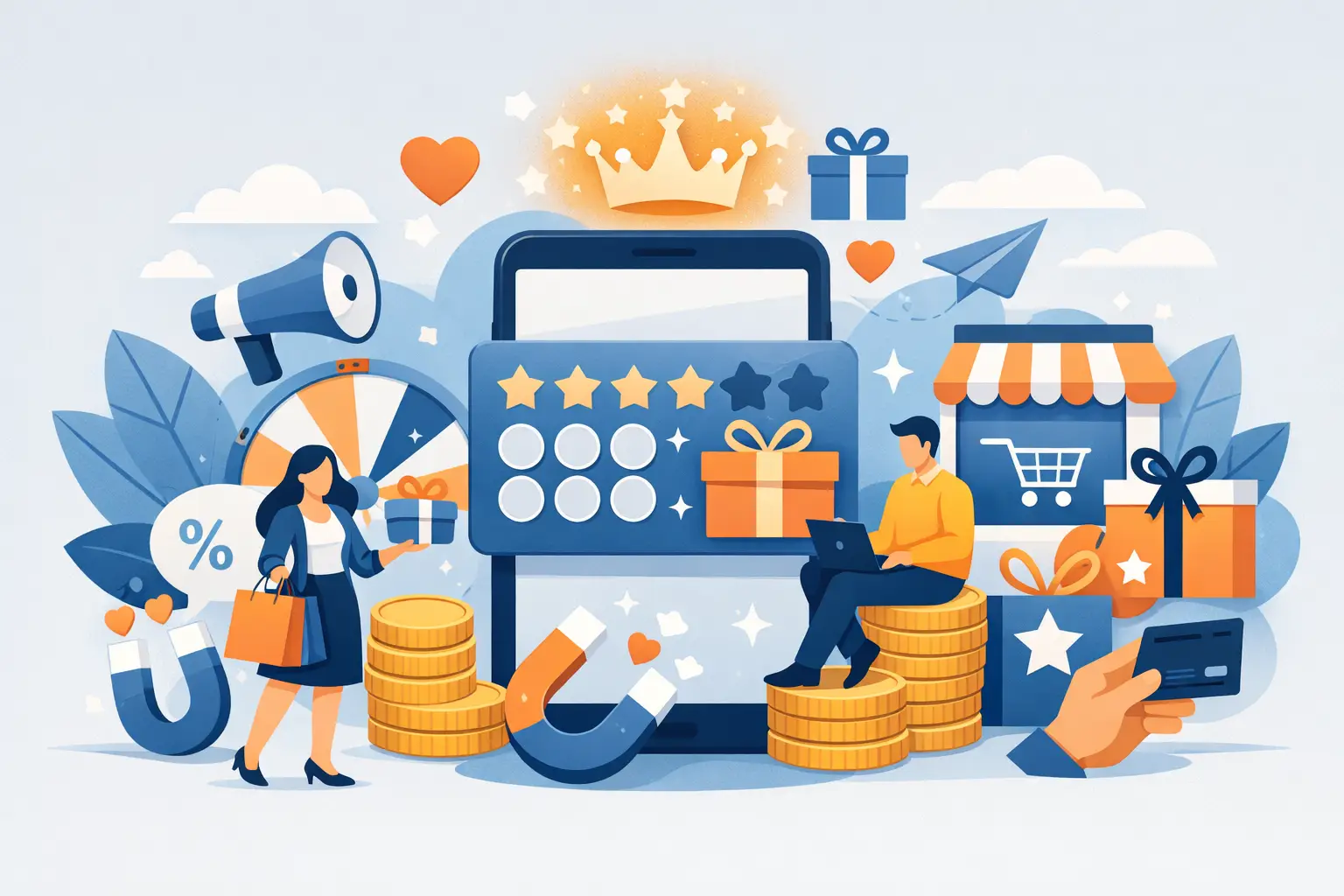
A loyalty program with no reason to join is just another button on your checkout page. The best loyalty signup incentives give shoppers an immediate, believable win while giving your business permission to keep the conversation going. Done right, that first offer becomes the starting point for repeat purchases, smarter segmentation, and revenue you can track.
For regulated retailers, hospitality brands, multi-location operators, and fast-moving ecommerce teams, the goal is not to hand out discounts blindly. It is to build an opted-in audience of customers who are likely to come back, spend more, and respond to the next campaign.
What Makes a Signup Incentive Worth Offering?
A strong incentive clears one question instantly: “What do I get if I sign up right now?” The value needs to be obvious enough to overcome the friction of handing over an email address, phone number, or both.
But an incentive cannot be judged by signup volume alone. A huge wave of discount hunters can make a dashboard look great while dragging down margin and producing weak repeat rates. The better measure is downstream behavior: redemption, second purchase rate, average order value, and 30-, 60-, or 90-day customer value.
The best offer depends on your purchase cycle and gross margin. A cigar retailer with customers who replenish regularly may benefit from points toward a future purchase. A restaurant may get faster results from a reward that is easy to redeem during the next visit. A firearms retailer or range may see more value in a member-only event or range-related perk than a broad coupon. The incentive should match why customers return.
8 Best Loyalty Signup Incentives to Test
1. A dollar-off reward with a spend threshold
“Get $10 off your next purchase of $50 or more” is one of the cleanest loyalty signup incentives because it creates urgency without giving away the store. The threshold protects margin and can lift average order value at the same time.
Use this when customers already understand your pricing and tend to make medium or high-value purchases. Keep the math simple. If shoppers need a calculator to understand the deal, the offer will lose momentum.
2. Bonus points for joining
Bonus points feel less like a discount and more like progress. A new member starts the program with a visible head start, then has a reason to earn the remaining points needed for a reward.
This works especially well for brands with frequent purchase opportunities. The catch is that the reward path must feel attainable. Giving 100 points sounds generous only if customers can clearly see what those points can buy and how close they are to earning it.
3. A first-purchase offer that expires quickly
A limited-time offer turns a passive signup into an active buying decision. For example, a new loyalty member could receive a reward valid for seven days. The short window gives your welcome automation a job to do: remind, reinforce, and drive the first redemption before interest fades.
Avoid making the window so short that it feels punitive. A same-day expiration may work for quick-service food or events, but it is a poor fit for a specialty retailer where a customer may need time to plan a visit.
4. A free add-on, upgrade, or sample
A complimentary add-on can outperform a percentage discount when it has high perceived value and low fulfillment cost. Think of an upgrade, a small accessory, a tasting-sized product where appropriate, or a service enhancement that gets customers to experience more of what you sell.
This incentive is powerful because it protects price integrity. Instead of training customers to wait for a sale, you are introducing them to an additional product category or better experience. Track whether recipients later purchase the add-on at full price.
5. Member-only access
Not every customer is motivated by a coupon. Early access to a product drop, a reserved spot at an event, a members-only sale window, or priority booking can create real urgency without touching margin.
Access-based rewards are a natural fit for brands with passionate customers and limited inventory. They also make your loyalty program feel like a club rather than a discount engine. Be precise about what members receive, because vague promises of “exclusive offers” rarely move the needle.
6. A bounce-back reward for the second purchase
The first transaction is useful. The second is where customer retention begins to take shape. Offer a reward that activates after a new member completes their initial purchase, such as points or a future credit they can use on a return visit.
This is a smart choice when your biggest challenge is one-and-done buyers. It gives customers a concrete reason to come back while helping your team identify which signup sources produce buyers, not just leads.
7. A referral bonus for both customers
A loyalty signup incentive can extend beyond the first member. Give the existing customer a reward when a friend joins and makes a qualifying purchase, then give the new customer a reason to buy as well.
The qualifying purchase matters. Rewarding a referral on signup alone invites low-quality leads and fraud. Tying the incentive to a completed transaction keeps the program focused on revenue and turns happy customers into a growth channel.
8. Entry into a high-value giveaway
A giveaway can grow a list quickly, particularly around seasonal launches, store openings, or major events. It works best when the prize is deeply relevant to your actual buyer. A generic prize may bring attention, but it can attract people who will never become customers.
Use giveaways selectively, and build a follow-up path before you launch. New subscribers should receive a welcome message, brand-specific offer, and a clear next action. Otherwise, the campaign produces a list spike with no conversion engine behind it.
Build the Offer Around the Channel
The same incentive should not be presented the same way everywhere. A website popup needs a fast, direct value statement. At checkout, the offer can connect to the purchase already in progress. In-store signage should be easy for staff to explain in one sentence.
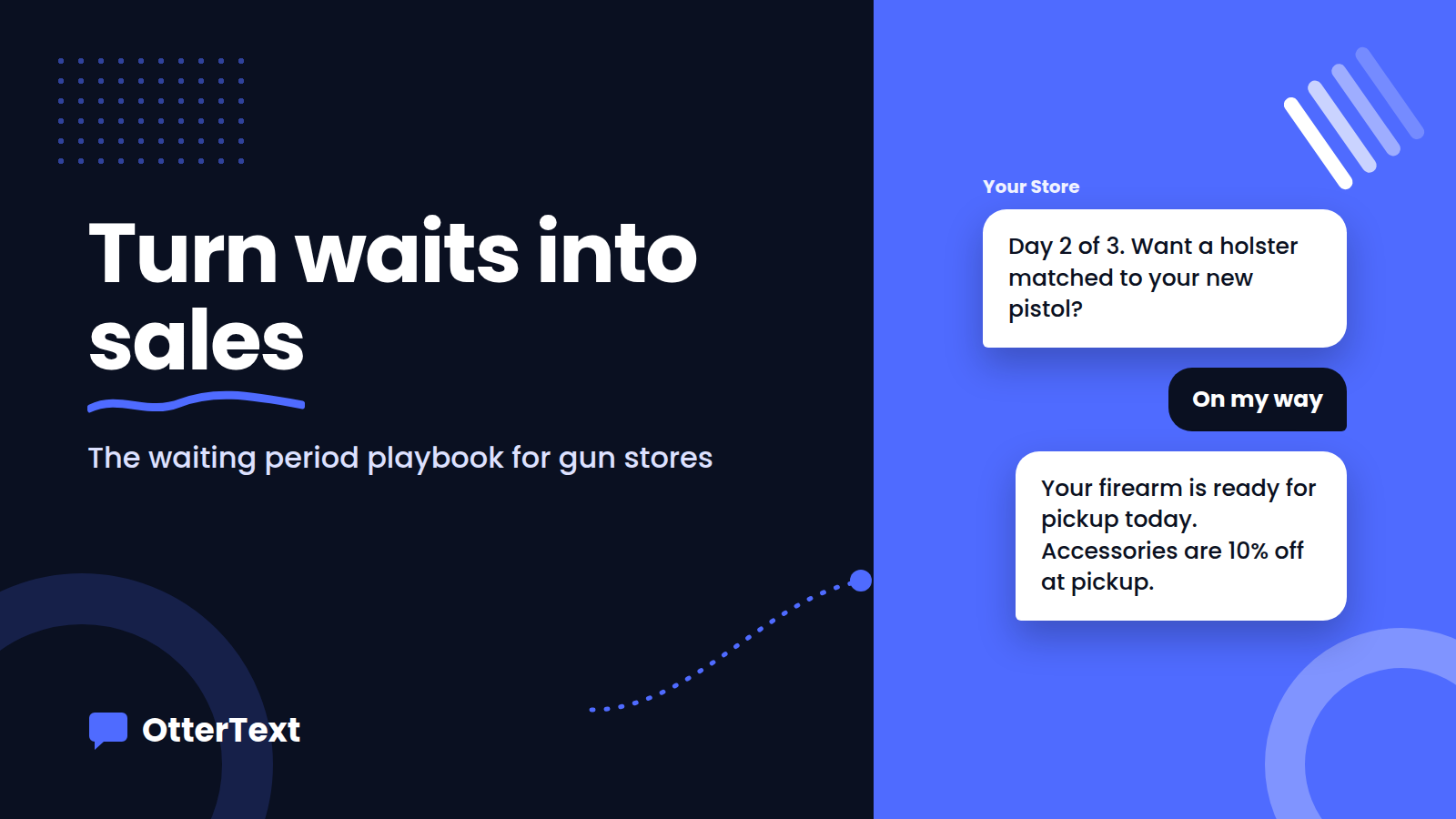
Your follow-up channel matters, too. For eligible businesses using carrier-compliant text messaging, a signup offer can trigger an automated welcome sequence that confirms the reward and drives redemption. For vape, CBD, THC, and cannabis-adjacent brands, customer communication should run through Telegram and email rather than SMS or text. The incentive can stay consistent while the delivery channel follows the rules that apply to your business.
This is where a connected platform earns its keep. OtterText can help businesses capture consent, segment new members by location or behavior, and trigger timely follow-up across the channels available to their brand. The result is less manual chasing and more opportunities to turn a signup into a sale.
Protect Margin Without Killing Conversion
The most aggressive offer is not automatically the best performer. A 20% discount may generate more signups than a $10 reward with a threshold, but it can also reduce revenue per order and teach customers to wait for promotions.
Start by calculating the total cost of the incentive, including the discount, product cost, labor, and any fulfillment expense. Then compare that cost against the incremental revenue from first and second purchases. If a free item drives a higher redemption rate but lowers contribution margin too far, a points-based offer may be the smarter long-term play.
Set clear redemption rules and expiration dates, but do not bury customers in fine print. Your team should be able to explain the offer consistently across every store, landing page, and campaign. Confusing rules create support tickets, unhappy customers, and abandoned carts.
Test for Revenue, Not Vanity Metrics
Run one meaningful test at a time. Compare a dollar-off offer against bonus points, or test a seven-day expiration against a 14-day expiration. Keep the audience, placement, and time frame as consistent as possible so you can tell what actually changed performance.
Watch signup rate first, then move deeper: reward redemption, first-purchase conversion, repeat purchase rate, average order value, unsubscribe rate, and revenue per new member. A lower-volume offer that creates better customers is often the winner.
Segment results by source as well. A QR code at the register may attract different customers than a website popup or event signup. Once you know which source and incentive combination produces the strongest repeat buyers, put more budget and staff attention behind it.
The right loyalty signup incentive does more than collect contact information. It gives customers a reason to take the next step, gives your team a cleaner path to automate follow-up, and gives your business a measurable way to grow repeat revenue without relying on constant blanket discounts.