A marketing automation platform review should not start with a feature checklist. It should start with the revenue moment you are trying to create: a first purchase, a recovered cart, a repeat visit, a five-star review, or a paid invoice. For growth teams, especially those operating in regulated categories, the right platform turns those moments into repeatable workflows without creating a compliance mess or another disconnected dashboard.
The real question is not whether a platform can send an email or text. Most can. The question is whether your team can capture consent, segment customers correctly, trigger the right message at the right time, measure the outcome, and keep moving when volume spikes. That is where marketing automation stops being software and starts becoming a growth engine.
What a Marketing Automation Platform Review Should Measure
A useful evaluation looks beyond campaign builders and template libraries. Those are table stakes. The platform needs to support the way your business actually sells, serves, and follows up.
Start with channel fit. SMS can drive immediate action for eligible businesses, while email remains essential for longer-form promotions, product education, and automated follow-up. Telegram channels and email are the appropriate communication path for vape, CBD, THC, and cannabis-adjacent businesses, since carriers do not permit those categories on SMS or text messaging. A platform review that ignores channel rules can lead a team toward a strategy it cannot execute.
Next, look at customer data. Your contact list should not be a static spreadsheet trapped inside a single tool. Strong automation depends on usable attributes: location, purchase history, loyalty status, last visit, product interest, engagement level, consent status, and lifecycle stage. When those data points are available for segmentation, your campaigns become more relevant and your sales team wastes less time chasing cold contacts.
Finally, measure operational speed. Can a manager launch a back-in-stock alert without filing a ticket? Can a multi-location operator create location-specific offers from one account? Can the team see which workflow produced revenue, not just opens and clicks? If the answer is no, the platform may look polished in a demo but slow down the business after launch.
The Capabilities That Actually Drive Revenue
Automation earns its place when it removes manual work and creates timely customer conversations. The most valuable workflows are often straightforward because they map directly to customer behavior.
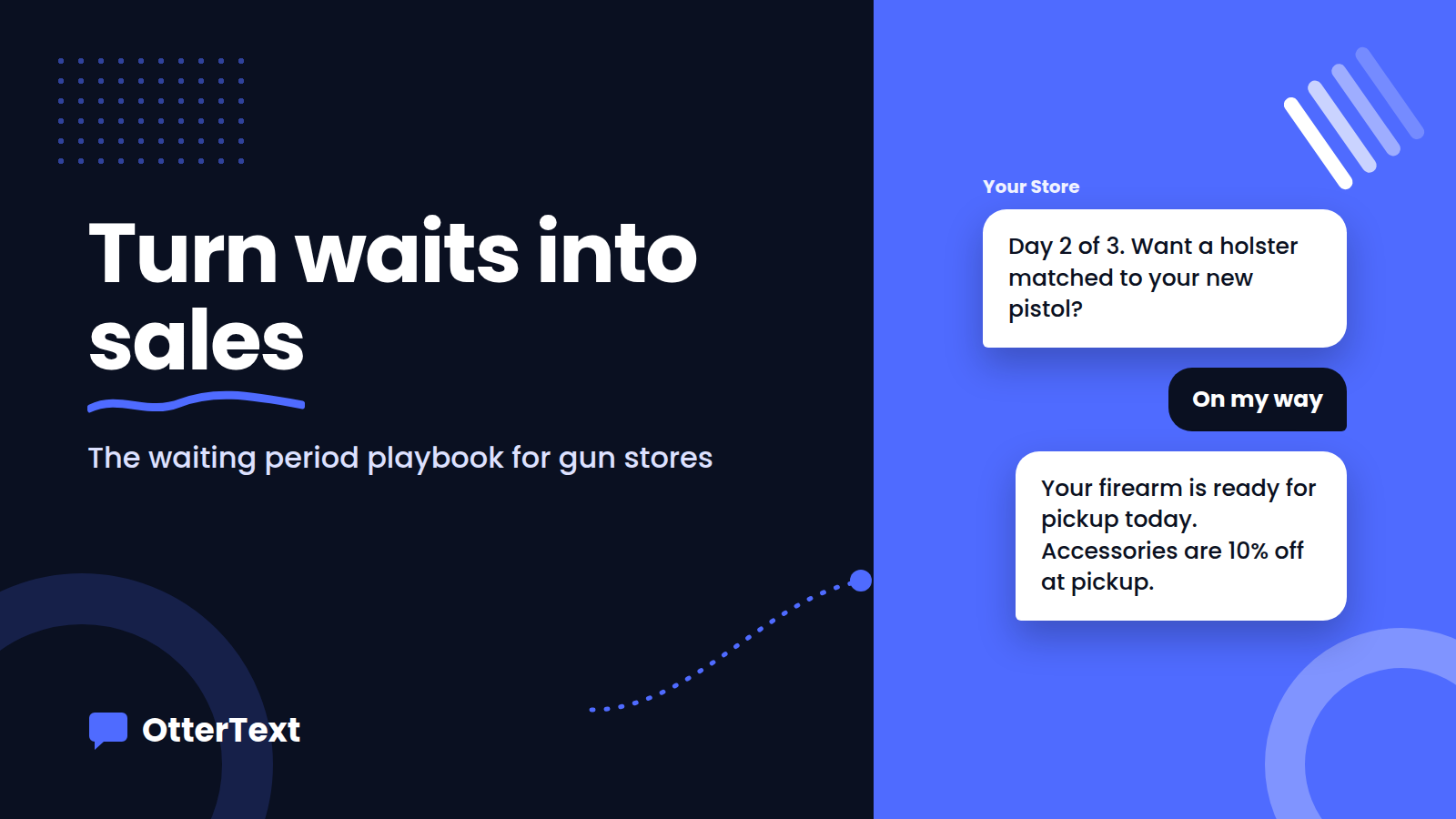
Abandoned cart recovery is a clear example. A shopper adds products, gets distracted, and leaves. A properly timed follow-up can bring that purchase back without asking a marketer to monitor carts all day. The same principle applies to browse abandonment, back-in-stock notices, post-purchase cross-sells, appointment reminders, and win-back campaigns.
Review requests are another high-leverage workflow. A customer has a positive experience, but the team forgets to ask for feedback while the experience is fresh. An automated request creates consistency and can help build the social proof that drives the next customer to choose your business.
Loyalty automation matters most when it is connected to real behavior. Sending the same discount to every customer trains buyers to wait for discounts. A better approach recognizes valuable customers, rewards repeat activity, and uses targeted incentives when they can change an outcome. For example, a retailer may send a reward after a purchase threshold, while a service business may trigger a return-visit offer after a defined period of inactivity.
Payments and website chat can also belong in the automation conversation. A payment reminder is more effective when it is tied to invoice status rather than sent as a generic blast. Website chat is more valuable when a new inquiry can be routed, tagged, and placed into a relevant follow-up sequence instead of disappearing into an inbox.
Compliance Is a Product Requirement, Not a Footnote
For firearms, alcohol, and tobacco businesses, carrier compliance should sit near the top of every marketing automation platform review. A flashy campaign builder does not matter if the provider cannot support compliant messaging practices for your category.
Look for built-in consent capture, clear opt-out handling, campaign controls, and support for TCPA and SHAFT registration requirements. Your team should be able to document how contacts joined the list and maintain clean consent records without stitching together multiple systems. Compliance processes need to be practical enough that staff will follow them every day.
This is also where generic advice can become expensive. Regulated industries have different promotional needs, customer expectations, and carrier considerations. A platform designed to support those realities can help teams move faster because compliance is part of the operating model, not an afterthought added after the campaign is built.
OtterText is built around this need, combining carrier-compliant SMS capabilities for eligible regulated industries with email, automation, loyalty, reviews, payments, and customer messaging tools. For vape, CBD, THC, and cannabis-adjacent brands, its dedicated Telegram plus email plan provides a channel strategy that respects carrier rules.
Evaluate the Workflow Builder, Not Just the Campaign Screen
A campaign screen shows what you can send once. A workflow builder shows what the platform can do while your team is serving customers, stocking inventory, and closing sales.
During a demo or trial, ask to build a real workflow from your business. Do not settle for a generic welcome series. Test a workflow such as: a customer joins through a website form, receives the correct confirmation message, gets tagged by location or interest, receives a follow-up based on engagement, and exits the sequence after purchasing. Then inspect the reporting. If the path is hard to build or impossible to measure, that friction will multiply as your automation program grows.
Pay attention to branching logic. The system should distinguish between a customer who clicked, purchased, ignored the message, or opted out. It should avoid sending a recovery offer to someone who already completed an order. These details protect the customer experience and prevent your team from paying to send irrelevant messages.
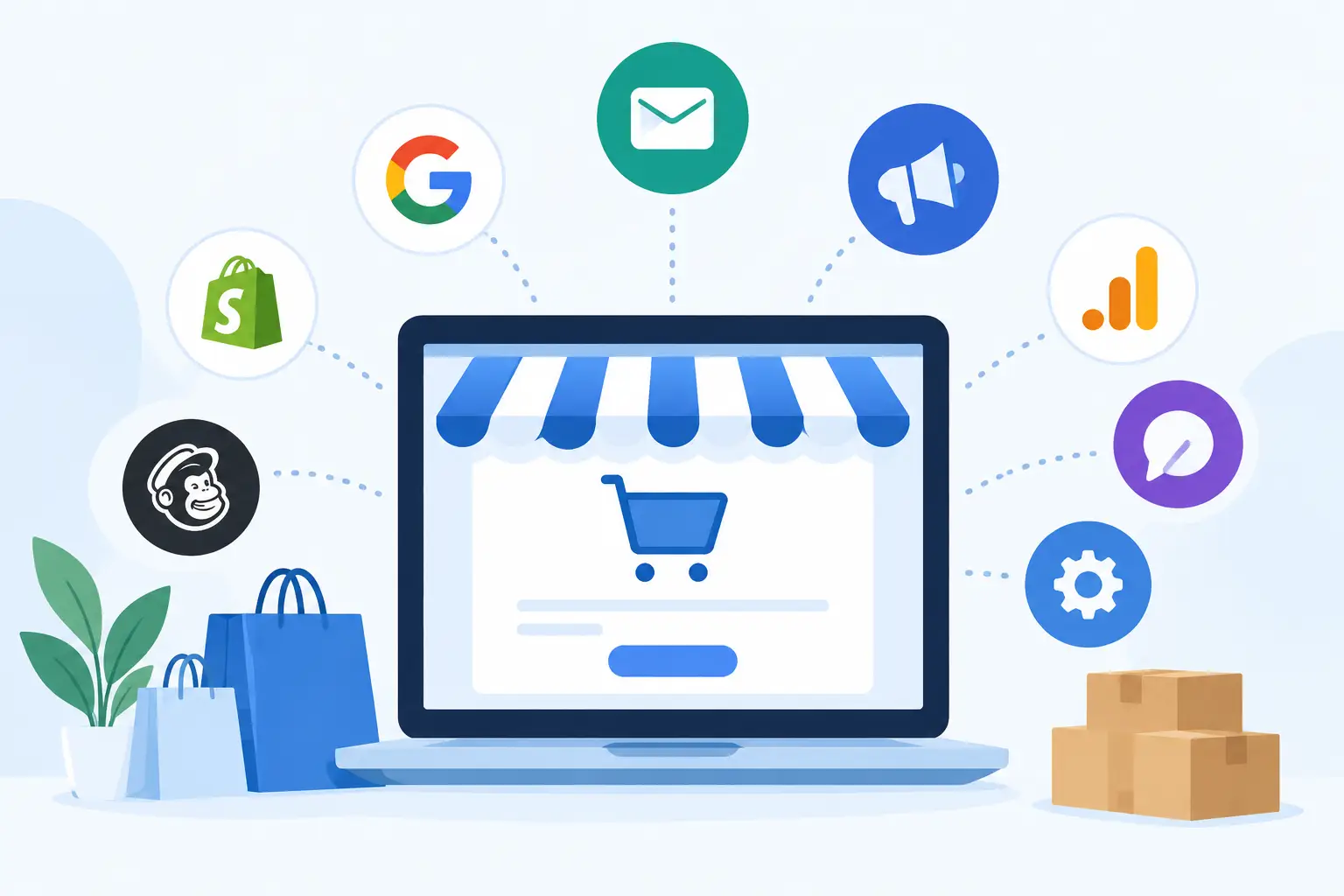
Integrations deserve the same scrutiny. Your commerce platform, point-of-sale system, forms, CRM, and payment tools should pass usable events into the automation platform. An integration that only syncs a name and email is not enough for behavior-based marketing. Ask which data fields sync, how often they update, and whether the data can trigger automation without manual exports.
Reporting Should Connect Messages to Money
Vanity metrics can make weak campaigns look busy. Opens, clicks, list size, and sends are useful diagnostic signals, but they do not answer the business question: did the workflow produce revenue or improve retention?
The best reporting makes it easy to see campaign performance by channel, segment, location, and automation. A multi-location business should be able to identify whether one store has stronger list growth, whether a particular offer performs differently by market, and whether a workflow is producing repeat purchases over time.
Attribution is never perfect, so expect nuance. A customer may receive an email, see a social post, visit a store, and purchase later. Still, the platform should give you a credible view of attributed sales, conversion activity, and customer engagement. More importantly, it should make testing easy. You need to know whether a different send time, offer, audience, or workflow branch changed the result.
Questions to Ask Before You Commit
Before selecting a platform, pressure-test the experience with the people who will use it. Ask how consent is captured and stored, how quickly a new campaign can go live, and what support looks like when your team needs help. Ask whether the platform can handle your current list and your next stage of growth without forcing a migration.
Also ask what happens when a workflow needs to change. Marketing plans shift. Inventory changes. A location closes, a seasonal promotion ends, or a customer segment needs a different message. Your platform should make those adjustments fast and controlled, not dependent on technical work that takes weeks.
A good provider will be direct about what its channels can and cannot support. That transparency is a strength. It keeps your growth strategy grounded in channels you can use confidently and helps your team build campaigns that are designed to perform from day one.
Choose the platform that gives your team a faster path from customer signal to customer action. When consent, segmentation, automation, and reporting work together, every campaign becomes easier to improve – and every improvement has a clearer path to revenue.