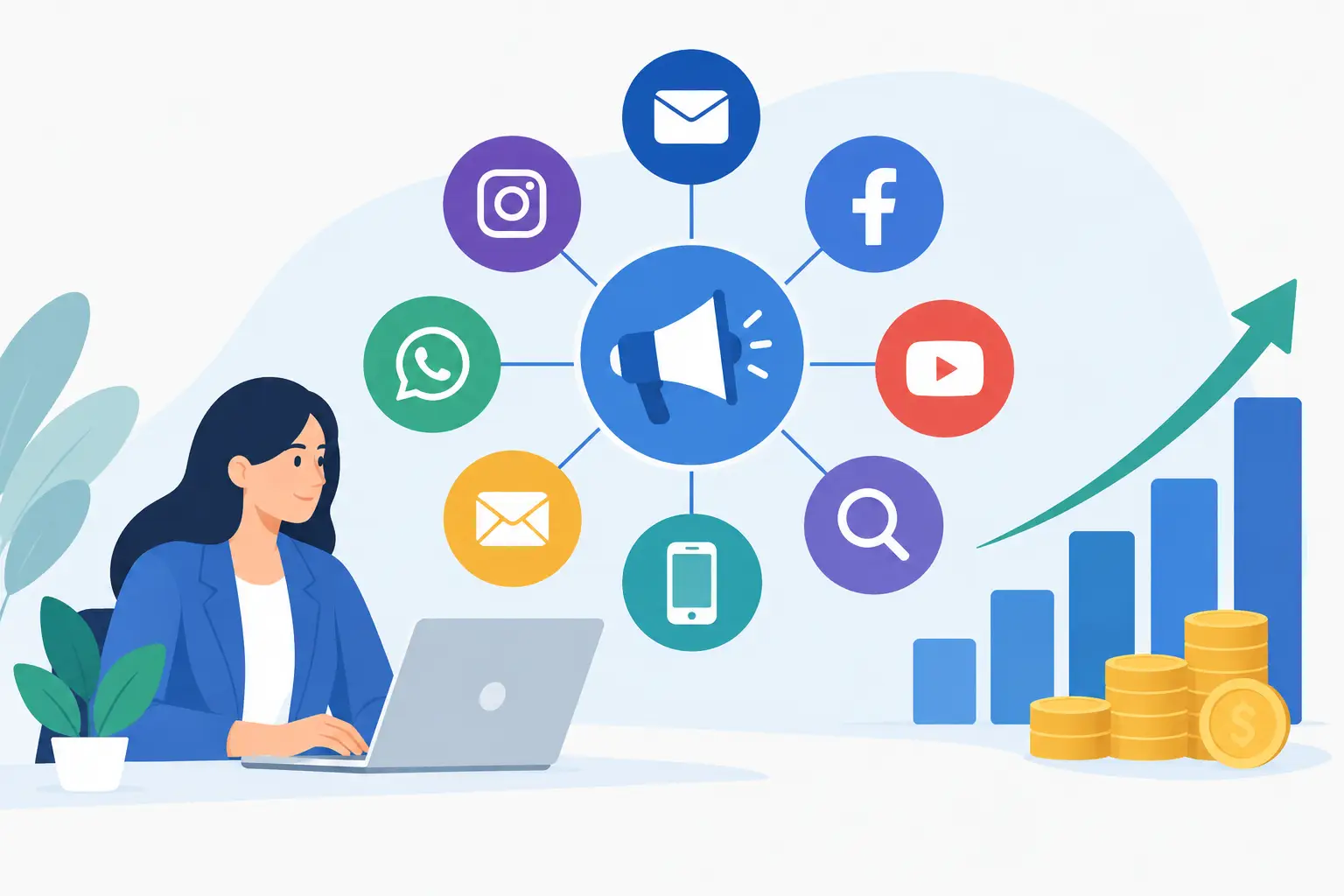
A promotion can look strong in a single channel and still leave revenue on the table. The real win comes when every message has a job, every audience gets the right follow-up, and your team can see what moved customers to act. This multi channel campaign guide shows how to build campaigns that turn attention into purchases, repeat visits, reviews, and loyalty without creating channel chaos.
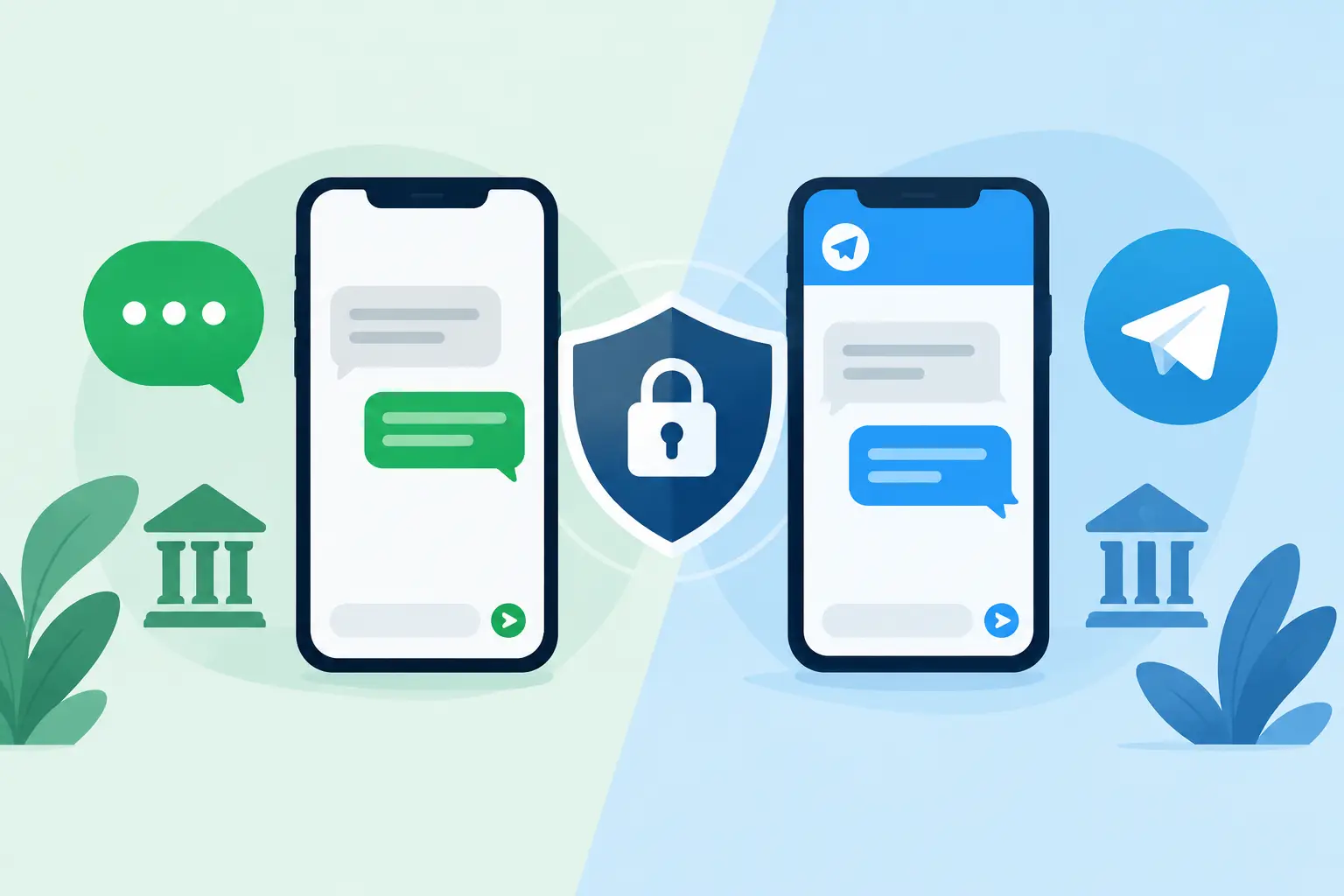
For regulated brands, that coordination matters even more. A firearm retailer, cigar shop, or alcohol brand needs carrier-compliant SMS practices, clear consent records, and a message plan that respects each channel’s rules. Vape, CBD, THC, and cannabis-adjacent brands need a different route: Telegram and email, not SMS. The strategy is still multi-channel. The channel mix simply has to match what is permitted.
Build Your Multi Channel Campaign Guide Around One Outcome
The fastest way to weaken a campaign is to ask it to do everything. A sale announcement, loyalty push, review request, product education series, and win-back effort all need different timing, segments, and calls to action. Start by choosing one measurable outcome.
That outcome might be selling a limited inventory item, driving bookings for a range event, filling tables during a slow week, collecting overdue payments, or bringing inactive customers back to the store. Be specific enough that your team can make decisions quickly. “Increase engagement” is vague. “Generate 75 purchases from customers who have not ordered in 60 days” gives the campaign a target.
Next, define the conversion event. For retail, it may be an online order or in-store redemption. For a service business, it may be a booked appointment. For a multi-location operator, it might be a location-specific offer claimed by customers within a set radius. Your reporting should track that event, not just opens and clicks.
A strong campaign brief answers four questions in plain language: who should receive it, what action should they take, why should they act now, and which channel should deliver each part of the message. If the team cannot answer those questions, it is too early to hit send.
Give Every Channel a Distinct Job
Multi-channel does not mean copying the same message into SMS, email, Telegram, website chat, and every social profile. That creates fatigue fast. Instead, use each channel for what it does best.
SMS is built for speed and visibility when the audience, product category, and messaging program meet carrier requirements. It works well for time-sensitive offers, back-in-stock alerts, event reminders, appointment confirmations, and cart recovery. Keep the copy direct. One offer, one deadline, one clear next step.
Email has more room to persuade. Use it to explain product value, feature multiple options, reinforce trust, share customer proof, and educate buyers before the purchase. It also gives you a powerful follow-up channel when an SMS recipient does not convert right away.
Telegram is a high-value direct channel for communities that cannot use carrier SMS, including vape, CBD, THC, and cannabis-adjacent brands. Build the channel around exclusive drops, restock updates, VIP access, educational content, and a reason to stay subscribed. Pair it with email for deeper product information and conversion sequences.
Website chat catches demand while it is live. A visitor asking about availability, shipping, hours, or a specific product should not have to wait for an email reply. Use chat to answer high-intent questions, capture contact details, and route qualified prospects to the right team member.
Automation connects the experience. It prevents the customer from getting three reminders after they already purchased, and it ensures your team is not manually chasing every abandoned cart or missed appointment.
Segment Before You Send
Your list is not an audience. It is raw potential. Segmentation turns it into revenue.
Start with behavior. Separate recent buyers from customers who have gone quiet. Build segments for high spenders, first-time purchasers, abandoned carts, loyalty members, event attendees, and customers who clicked but did not convert. Add location when it matters. A five-location retailer should not send a local in-store offer to everyone in the database.
Then layer in product interest. A firearm range member may respond to training events and range updates, while a retail buyer may care more about new inventory or accessories. An alcohol brand might separate cocktail enthusiasts from customers who prefer a particular category. The message becomes more relevant without requiring your team to create dozens of campaigns.
Consent status belongs in this process, not in a spreadsheet someone checks after the campaign is built. Only send SMS to properly opted-in contacts through an approved, carrier-compliant program. Maintain clear opt-out handling and honor channel preferences. For audiences that are not eligible for SMS, direct the workflow to email and Telegram instead.
This is not just risk management. It is performance management. Customers respond when messages fit their relationship with your business. They ignore brands that treat every subscriber like the same person.
Design the Campaign Sequence, Not Just the Blast
A single message can produce a spike. A sequence produces a system.
Take a back-in-stock campaign. The first message announces availability to the customers who previously showed interest. If they do not purchase, an email can provide more detail, answer common questions, and reinforce why the item is worth acting on now. If they buy, automation removes them from promotional reminders and moves them into a post-purchase flow that requests a review, recommends a complementary product, or enrolls them in loyalty messaging.
For an event campaign, the sequence may start with an email invitation, followed by an SMS or Telegram reminder for eligible subscribers as the date gets closer. Website chat can answer last-minute questions. After the event, send a targeted follow-up that asks for feedback, promotes the next event, or makes a relevant offer while interest is still high.
Timing should reflect buying behavior, not a generic marketing calendar. A two-hour flash promotion may justify a same-day reminder. A high-consideration purchase may need several days of education. If you are running a loyalty push, spacing messages across a few weeks often beats hammering the offer in a single weekend.
Frequency is a trade-off. More touches can lift conversions for urgent offers, but excessive repetition burns trust and drives opt-outs. Watch engagement by segment, not only at the account level. Your VIP customers may welcome early access while new subscribers need a lighter introduction.
Make Offers Easy to Measure and Hard to Miss
Every campaign needs a clear offer structure. Tell customers what they get, what they need to do, and when the opportunity ends. Avoid clever copy that makes the action unclear. Revenue campaigns need clarity more than poetry.
Use unique codes, channel-specific landing pages, tagged links, or location-specific keywords to identify where conversions originated. If an offer is available online and in-store, establish how both paths will be attributed before launch. Otherwise, a campaign can generate sales without proving its value to the team responsible for future budget.
Track the metrics that reveal commercial impact: delivered messages, clicks, conversion rate, revenue per recipient, average order value, repeat purchase rate, opt-outs, and redemption by location. Opens can be useful directional signals, especially in email, but they are not the finish line.
When results disappoint, do not rewrite everything at once. Test one variable. Try a different offer, audience segment, send time, call to action, or follow-up interval. A disciplined test creates learning you can use again. Random changes create noise.
Put Automation to Work After the Click
The campaign does not end when a customer visits the site. This is where many businesses lose the sale.
Build automated paths for abandoned carts, browse abandonment, post-purchase follow-up, review requests, replenishment reminders, and loyalty milestones. These workflows keep working after your promotional window closes and let your team focus on higher-value decisions.
For example, a customer who clicks an offer but does not buy can receive a follow-up email with product details or answers to likely objections. A customer who completes a purchase should be excluded from the same promotion immediately. After delivery or pickup, a review request can create social proof for the next campaign.
OtterText brings SMS, email, Telegram, chat, loyalty, reviews, payments, and workflow automation into one operating system, making it easier to coordinate the full customer journey and measure what actually drives revenue.
A Multi Channel Campaign Guide for Faster Execution
Speed matters, but speed without a process creates mistakes. Before launch, confirm that your audience segment is accurate, consent and channel eligibility are properly applied, offer terms are clear, conversion tracking works, and your support team knows what customers may ask.
Then give the campaign an owner. Someone should monitor early performance, answer internal questions, and decide whether to extend, adjust, or stop the promotion. Real-time tracking is valuable only when someone is ready to act on it.
The best campaigns feel simple to customers because the hard work happened behind the scenes. Pick one revenue goal, match the message to the channel, let automation handle the repeatable work, and keep improving from the data. That is how a campaign stops being a blast and starts becoming a growth engine.