A five-star review is not just a compliment. For a retailer, range, restaurant, service business, or multi-location brand, it is proof that reduces hesitation at the exact moment a new customer is deciding where to spend. The problem is consistency. Review automation software gives your team a repeatable way to ask for feedback while the customer experience is still fresh, without turning every completed sale into another manual task.
That matters because most businesses do not lose review volume because customers are unhappy. They lose it because no one asks at the right time. A receipt goes out, a job is completed, a pickup is confirmed, and the customer moves on. The opportunity disappears.
What Review Automation Software Should Actually Do
At its best, review automation software connects customer activity to a timely, personal request for feedback. A completed transaction, delivered order, appointment, membership visit, or closed service ticket can trigger a message asking the customer to share their experience.
The software should do more than fire off a generic request. It should let you control timing, choose the appropriate channel, segment by location or customer type, and track whether requests become reviews. For a multi-location operator, that means each store can build its own reputation without relying on staff to remember a weekly follow-up routine.
The difference between a useful system and a noisy one is context. Asking immediately after a positive in-store interaction may work well. Asking before a delivery arrives, after an unresolved support issue, or three times in a month will not. Automation creates scale, but strategy determines whether that scale builds trust or burns it.
The strongest workflows start with real customer moments
A review request should be connected to a meaningful milestone. For hospitality, that may be after checkout. For home services, it may be after the work order is marked complete. For an automotive shop, it could follow a confirmed pickup. Retailers can trigger requests after a purchase is fulfilled or a customer has had enough time to try the product.
This approach keeps the request relevant and gives customers a clear reason to respond. It also takes pressure off front-line employees, who should be focused on service, not chasing feedback between transactions.
Why More Reviews Create More Than Social Proof
Review volume, recency, and response quality shape how prospects view your business before they ever call, visit, or place an order. A steady flow of genuine feedback signals that a location is active, accountable, and trusted by real customers.
For local and multi-location businesses, consistency is especially valuable. One store might have a manager who naturally asks for reviews, while another lets months pass without a single new rating. That inconsistency creates an uneven brand experience. Automated campaigns give every location a baseline process while still allowing local teams to personalize their outreach.
There is also a revenue angle. A customer who leaves a positive review has taken an additional step of engagement with your brand. That does not mean every reviewer becomes a repeat buyer, but it creates a natural opening for loyalty enrollment, a future promotion, or a helpful follow-up message. The key is restraint. The review request should stand on its own instead of becoming a disguised sales pitch.
Build a Review Request Flow Customers Will Respect
The best review campaigns feel easy because the hard work happened before the message was sent. Start by defining the event that signals a successful experience. Then decide when feedback is most useful and which channel makes sense for that audience.
For brands eligible to use carrier-compliant SMS, a concise text can be highly effective because it reaches customers quickly. The message should identify the business, reference the recent interaction when possible, and make the next step simple. Consent, opt-out requirements, and carrier rules still matter. A review workflow should use the same disciplined compliance standards as every other customer messaging campaign.
For vape, CBD, THC, and cannabis-adjacent brands, SMS/text is not available under carrier rules. That does not eliminate review automation. It means the workflow must run through permitted channels such as email and Telegram, using a plan designed around those channels rather than trying to force an ineligible message through text.
Timing deserves testing. A restaurant may see the best response within hours. A contractor may need to wait a day or two, after the customer has lived with the finished work. Start with one trigger and one follow-up, then review performance before adding complexity.
A practical flow usually includes a primary request and one polite reminder for customers who did not engage. Do not keep chasing people. A message that feels helpful once can feel intrusive when repeated without restraint.
Features That Separate Revenue Tools From Basic Reminders
Not every platform that sends a review request can support a scalable reputation strategy. If reviews matter to your acquisition and retention goals, look for capabilities that reduce busywork and make performance visible.
The most valuable features tend to include:
- Triggered requests based on purchases, appointments, service completion, or payment activity
- Customer segmentation by location, purchase history, loyalty status, or engagement level
- Channel controls for SMS, email, and Telegram workflows based on what is permitted for your business
- Templates that can be personalized without requiring the team to write every message from scratch
- Centralized reporting that shows sends, clicks, completed reviews, and location-level trends
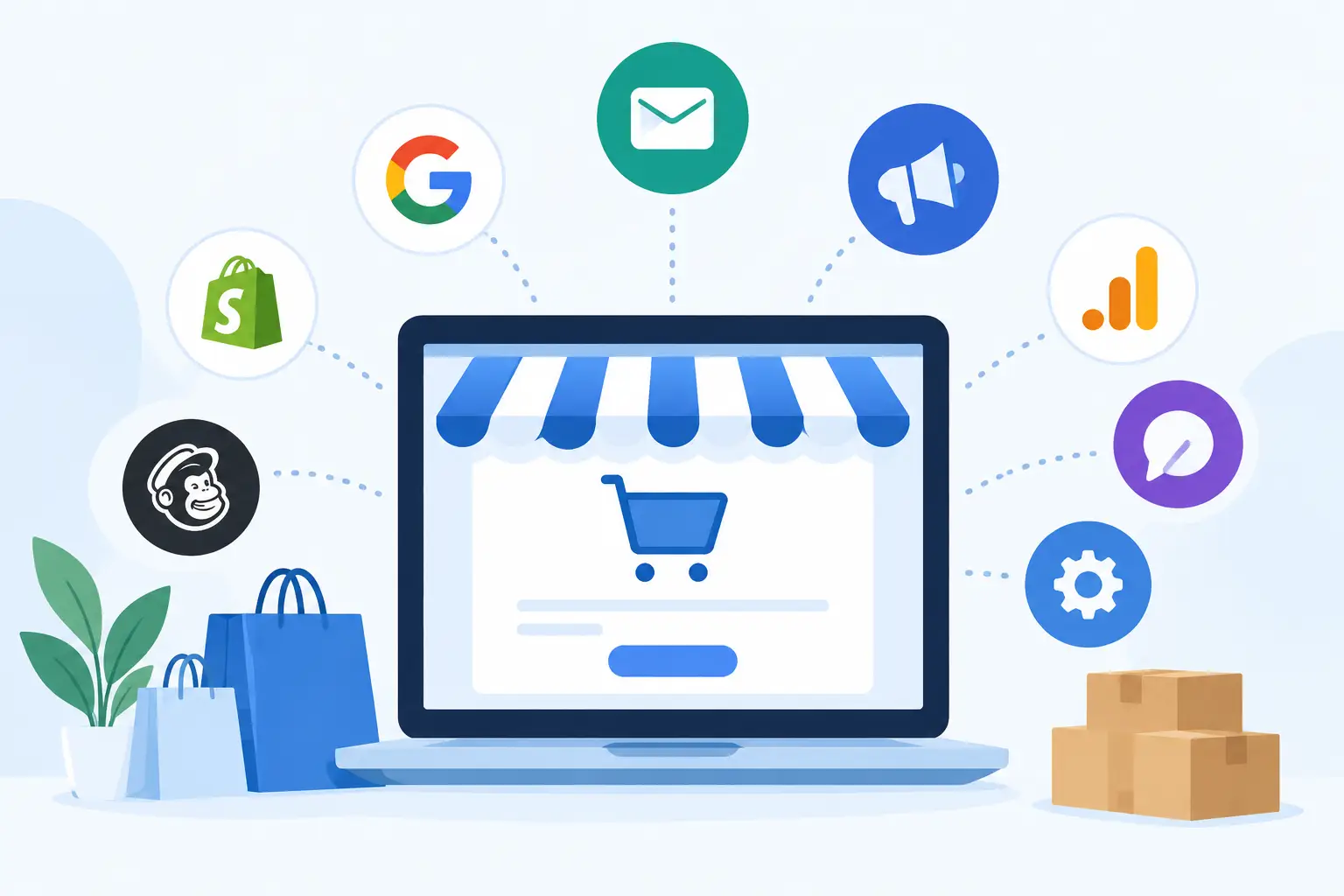
- Integrations or API access that keep customer events moving between your point of sale, CRM, ecommerce, and messaging systems
Reporting is where many review programs either improve or stall. If you only look at total reviews, you miss the operational story. Compare performance by location, campaign timing, customer segment, and request source. A lower response rate at one location may reflect a message issue, but it can also expose a service issue worth addressing.
Avoid the Shortcuts That Damage Trust
The goal is to generate authentic feedback, not manufacture a rating. Do not pressure customers, offer rewards only for positive reviews, or selectively ask only people you assume will praise the business. Those tactics can undermine credibility and may conflict with review platform policies.
Instead, invite honest feedback from customers who completed a real interaction. If the platform allows private feedback collection, use it as an operational listening tool, not as a way to hide legitimate criticism. Negative feedback is not pleasant, but it is often the fastest route to finding a broken handoff, staffing problem, delayed response, or location-specific issue.
Responding matters, too. Thank customers for positive comments without sounding canned. When a complaint is valid, acknowledge the issue, take the conversation offline where appropriate, and fix the underlying process. Automation can generate the opportunity, but reputation still depends on how your business behaves when customers speak up.
Put Reviews Inside the Rest of Your Growth Engine
Review requests work better when they are not isolated from the rest of your customer communication. A business with strong list growth, segmented campaigns, loyalty activity, payment reminders, and post-purchase messages already has the ingredients for smarter review timing.
For example, a customer who has made multiple purchases or redeemed a loyalty offer may be an ideal candidate for a feedback request. A customer with an open support issue is not. Connecting those signals prevents awkward messages and makes the outreach feel more intentional.
OtterText can help eligible businesses combine review requests with automated messaging, customer segmentation, loyalty, payments, and campaign reporting in one growth-focused system. That centralization is useful when your team needs to move fast without stitching together disconnected tools or losing sight of compliance.
Start Small, Then Scale What Works
Do not wait for a perfect reputation program. Choose one high-confidence customer moment, build a clear request, and run it long enough to collect meaningful data. Watch completion rates, review trends, customer replies, and differences across locations.
Then refine. Test timing. Adjust language. Add personalization where it helps. Expand to another location or customer journey only after the first workflow is performing reliably. The brands that win more reviews are rarely doing something flashy. They simply make it easy for happy customers to be heard, then use every piece of feedback to operate sharper and sell with more confidence.