A campaign can be perfectly timed, beautifully designed, and ready to drive revenue – then get stopped by the channel itself. That is the central decision behind SMS versus Telegram regulated marketing. For regulated brands, the question is not simply which platform gets more opens. It is which channel can support your product category, your audience, and your growth plan without putting campaigns at risk.
For firearms, alcohol, and tobacco businesses, compliant SMS can be a direct revenue engine. For vape, CBD, THC, and cannabis-adjacent brands, carrier rules make SMS the wrong lane entirely. Telegram, paired with email, creates a different path to customer communication. The strongest strategy starts by choosing the channel your business can actually use – then building campaigns that give customers a reason to act.
SMS Versus Telegram Regulated Marketing: Start With Eligibility
SMS is powerful because it is immediate. A back-in-stock text, weekend event reminder, limited release alert, or abandoned cart follow-up lands directly on a customer’s phone with no algorithm standing between the message and the recipient. That proximity is why text marketing can move inventory fast.
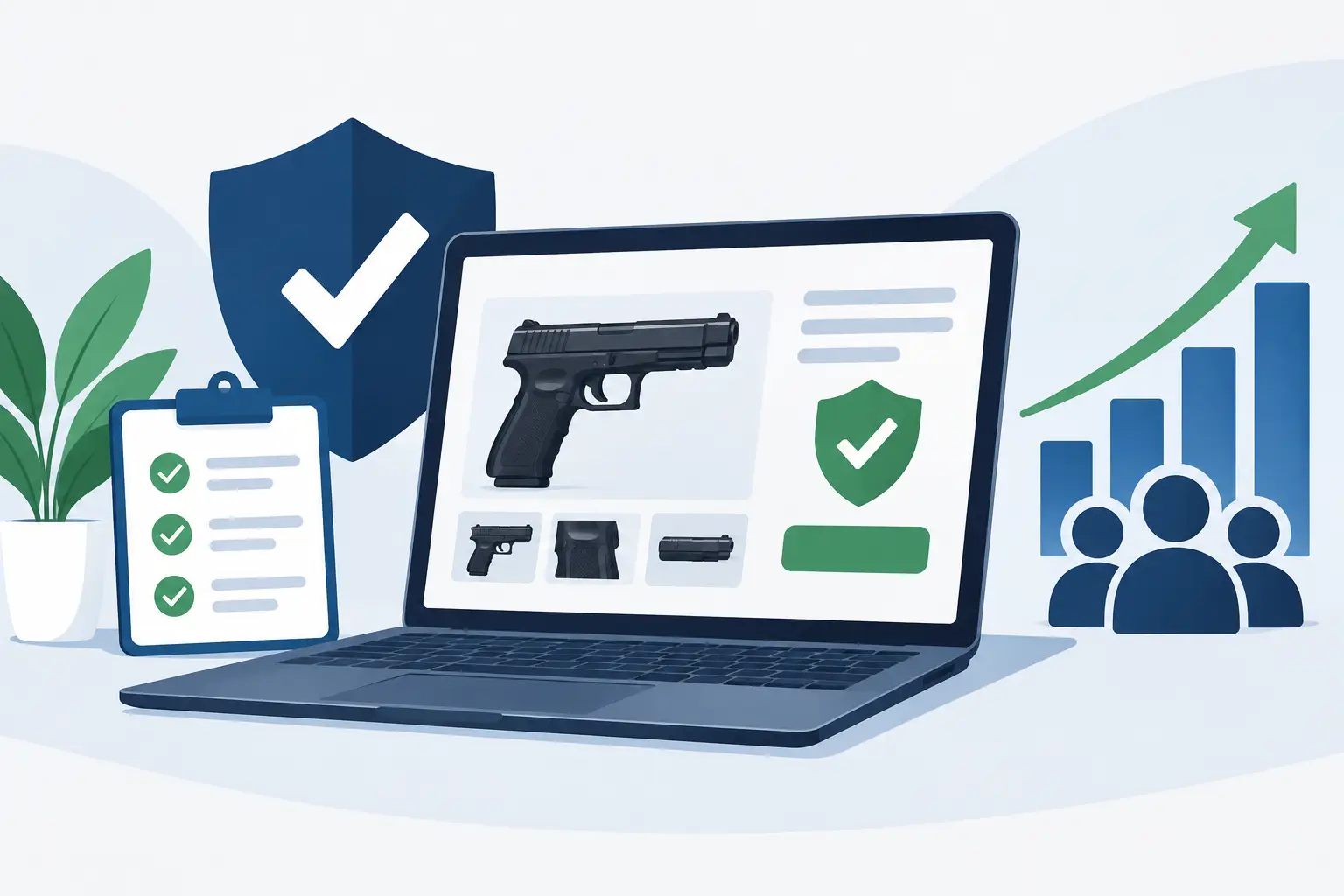
But regulated marketing is not a free-for-all. Wireless carriers and messaging providers set content and category policies that determine what can travel over SMS. Firearms retailers and ranges, alcohol brands, and cigar and tobacco businesses may be able to use SMS when their programs are built around carrier requirements, documented consent, appropriate registration, and responsible messaging practices.
Vape, CBD, THC, and cannabis-adjacent businesses are different. These categories are not eligible for SMS or carrier text messaging under carrier rules. A business should not treat an unapproved campaign as a loophole to test. It can lead to blocked traffic, interrupted customer communication, and a list-building strategy that collapses when it matters most.
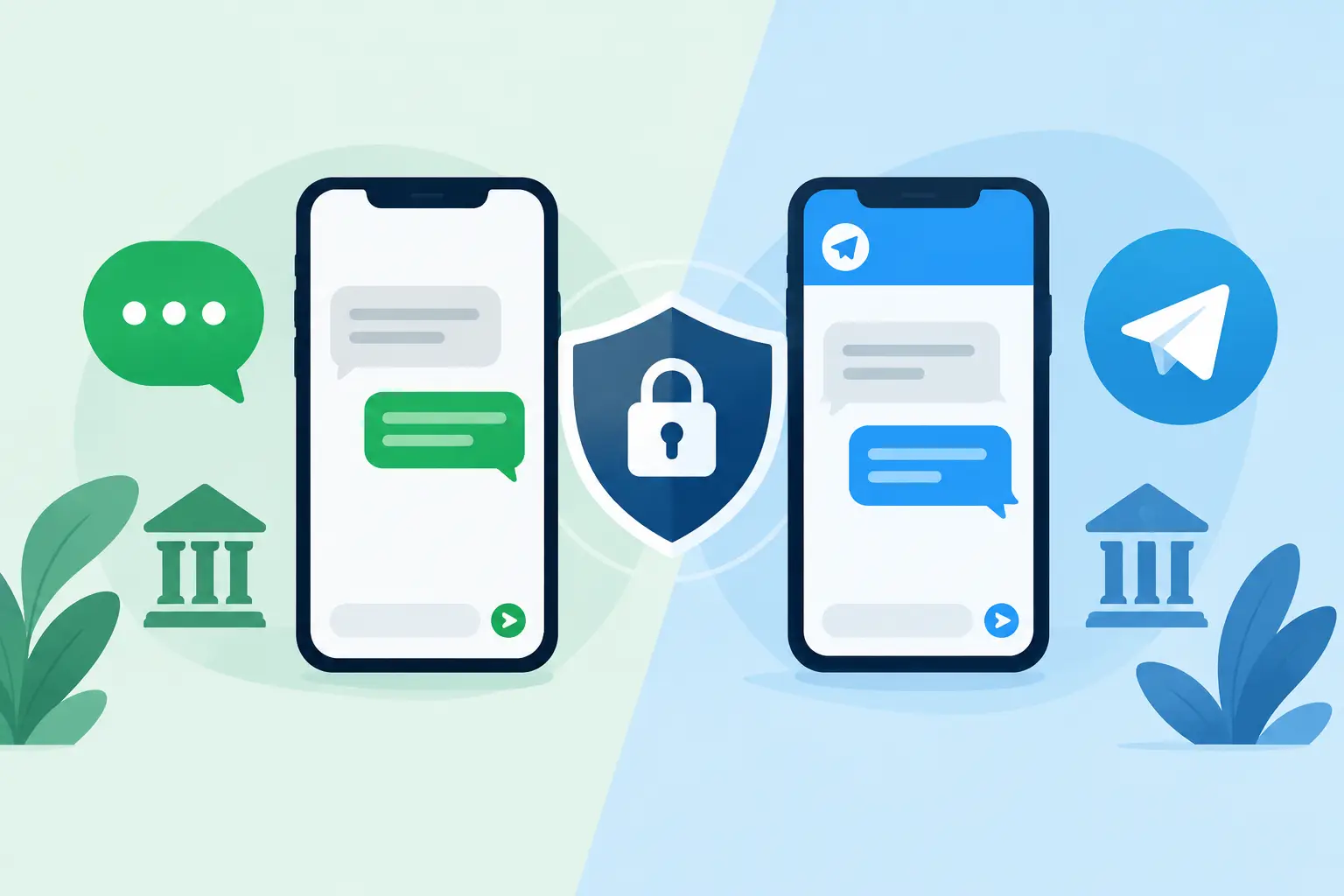
Telegram is not an SMS workaround. It is a separate messaging channel with its own audience behavior and operating model. That distinction matters. Brands in categories excluded from carrier messaging can use Telegram channels alongside email to publish promotions, product education, launches, store updates, and community-driven content without relying on SMS delivery.
Where SMS Wins for Approved Categories
For eligible regulated businesses, SMS wins when speed and response matter. A firearm retailer can promote a range event, a new accessory shipment, or a seasonal sale to customers who have clearly opted in. An alcohol brand can alert subscribers to a tasting event or a retail promotion. A cigar shop can bring regulars back with a limited-release announcement or loyalty offer.
The advantage is not just open rates. It is the ability to trigger action while intent is high. A customer who joins a text list at checkout, scans a QR code in-store, or opts in through a website form has raised their hand. With clear consent and meaningful segmentation, that person can receive messages relevant to their location, purchase history, interests, or loyalty status.
That is where generic blasting loses and automation starts producing. Use SMS for workflows that match a real customer moment: welcome messages after opt-in, event reminders, back-in-stock notices, review requests after a purchase, payment reminders, and win-back campaigns for customers who have gone quiet. Each message should have a clear purpose, a recognizable sender, and a straightforward next step.
Compliance is part of performance, not a brake on performance. Consent records, opt-out handling, reasonable sending hours, and properly configured campaigns protect the list you worked hard to build. They also make the program more trustworthy. Customers are far more likely to stay subscribed when they understand what they signed up for and receive messages that feel useful rather than relentless.
Where Telegram Creates the Better Path
For vape, CBD, THC, and cannabis-adjacent brands, Telegram can become a high-energy owned audience channel. Customers choose to join a channel, then receive updates in an environment built for ongoing communication rather than one-off carrier texts. It is especially useful for brands with product drops, educational content, store announcements, community news, and frequent promotional activity.
Telegram works best when the channel gives subscribers a reason to stay. A stream of discount codes alone gets stale. Mix promotional announcements with early product previews, restock updates, staff picks, event notices, polls, behind-the-scenes content, and answers to the questions customers ask before buying. Build anticipation, not just broadcasts.
The trade-off is that Telegram requires more active audience development. SMS reaches a phone number once a customer has opted in. Telegram requires customers to join and remain connected to your channel. That makes list growth critical. Promote the channel on your website, in email, on receipts, at retail counters, through QR codes, and during post-purchase communications where permitted.
Email strengthens the model. Telegram delivers immediacy and community; email gives you room for product detail, education, visual merchandising, and longer promotional sequences. Together, they create a practical channel stack for categories that cannot use SMS. A Telegram post can create urgency around a drop, while an email campaign provides the details customers need to make a buying decision.
Build Campaigns Around Customer Moments, Not Channels
The mistake is treating SMS, Telegram, and email as separate megaphones. Customers do not experience your marketing that way. They experience a series of moments: discovering your brand, considering a product, making a purchase, returning to buy again, or drifting away.
Map messaging to those moments. An eligible SMS brand might use a keyword or website form to capture consent, then send a welcome offer and segment subscribers by store location. A Telegram-first brand might invite customers to join a channel after signup, then use email to deliver a new-customer sequence and product education. Both can use customer data to make communications more relevant.
Segmentation is where revenue gets sharper. Multi-location operators should not send every store update to every subscriber. Retailers should separate frequent buyers from new leads. Event-based businesses should distinguish customers who attended from customers who only expressed interest. The more targeted the message, the less often you need to send it to produce a response.
Automation also keeps the program moving when the team is busy running the business. Set up the essentials first: opt-in confirmation, welcome flow, abandoned cart recovery where applicable, post-purchase follow-up, review requests, loyalty reminders, and re-engagement campaigns. Then review performance. Track joins, clicks, conversions, unsubscribes, revenue, and which offers produce repeat behavior rather than one-time spikes.
Avoid the Expensive Channel Mistakes
The biggest mistake in regulated messaging is forcing a product category into a channel that does not support it. If your category is ineligible for SMS, do not build your acquisition strategy around phone numbers you cannot reliably message. Put your effort into Telegram and email list growth from day one.
Eligible SMS brands can make a different mistake: assuming compliance ends at registration. It does not. Consent capture, campaign content, frequency, segmentation, and opt-out management all affect the durability of your program. A large list with weak permission practices is not an asset. It is a liability waiting to disrupt your revenue.
Another common failure is overpromising. Regulated customers respond to value, but they also notice when every message creates artificial urgency. Reserve high-frequency messaging for real moments: limited inventory, event deadlines, timely reminders, and genuinely relevant offers. Consistency beats noise.
OtterText helps regulated brands put the right channel behind the right workflow, combining carrier-compliant SMS for eligible categories with a dedicated Telegram and email approach for vape, CBD, THC, and cannabis-adjacent businesses. The goal is simple: keep your marketing moving, keep your audience engaged, and stop wasting energy on channels that cannot support your category.
Your next campaign should not begin with a promotional idea. Begin with the question that protects every campaign after it: which channel is built for our business? Once that answer is clear, build an audience you can reach, create messages customers want, and turn each communication into a measurable reason to come back.