A customer sees a five- or six-digit number on a shelf tag, receipt, billboard, or social post and immediately knows what to do: text a keyword, join the list, get the offer. That instant recognition is the strongest answer to why use a marketing shortcode. It removes friction at the exact moment interest is highest – and gives your brand a direct line for promotions, alerts, loyalty updates, and automated conversations.
For growth-focused businesses, SMS is not about sending more messages. It is about creating a fast, measurable path from attention to action. A dedicated shortcode can make that path easier to remember, easier to promote, and easier to scale.
What Is a Marketing Shortcode?
A marketing shortcode is a short, memorable phone number, typically five or six digits, used for high-volume text messaging. Instead of asking customers to save or type a standard 10-digit phone number, a business can promote a simple instruction such as “Text VIP to 12345.”
Shortcodes are commonly used for list growth, time-sensitive promotions, loyalty enrollment, giveaways, event reminders, voting, product drops, back-in-stock alerts, and customer service routing. They are built for visibility. A customer can spot one on a counter card or digital ad and act without needing to search for your website or navigate a form.
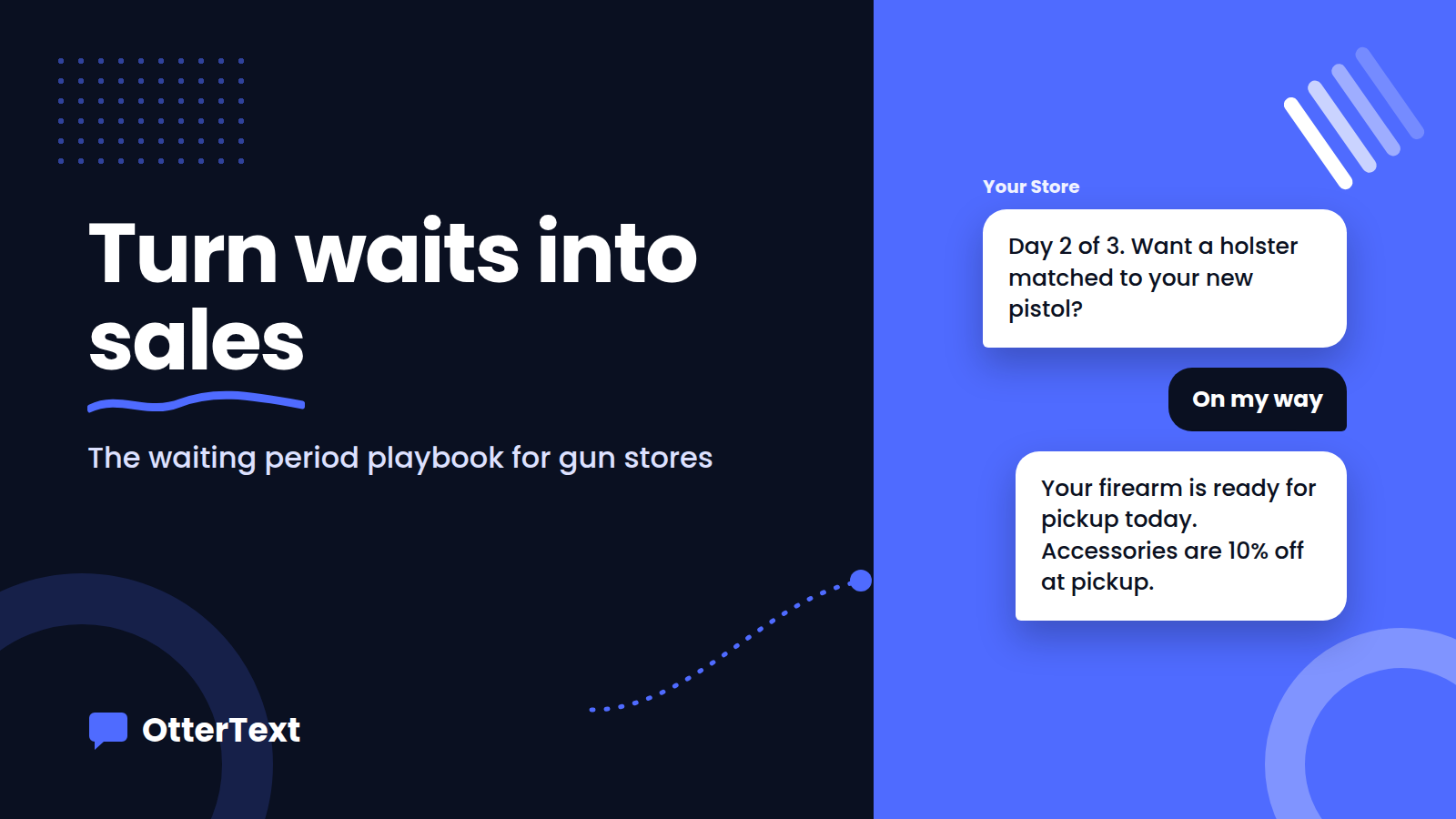
That matters when your campaign has a short window. A restaurant filling tables for a slow night, a firearms retailer promoting a weekend sale, or an alcohol brand building hype around a launch does not need another passive impression. They need a response.
Why Use a Marketing Shortcode Instead of a Standard Number?
The core benefit is memorability. A 10-digit number may work well for one-to-one conversations, local service follow-up, and smaller campaigns. But it is harder to feature across print, radio, packaging, signage, and event materials. A shortcode is designed to be repeated and recalled.
That difference adds up. If customers can remember the number, they are more likely to opt in after they leave your store, finish watching the ad, or hear the callout on a podcast. Your campaigns keep working after the initial moment of exposure.
A shortcode also strengthens brand consistency. When every location, sales associate, social graphic, and campaign uses the same short number and keyword structure, customers learn the behavior. Text this number. Use this keyword. Get the reward. That familiarity can turn list growth from a one-off campaign into an always-on acquisition engine.
For multi-location businesses, that consistency is especially valuable. You can use location-specific keywords to identify where an opt-in came from while keeping the customer-facing number simple. A customer might text DALLAS, EASTSIDE, or RANGE to the same shortcode, and your team can trigger the right welcome flow, offer, and location data automatically.
Shortcodes Can Turn Offline Attention Into Owned Audiences
Most businesses spend money to create attention they do not own. A social post gets buried. An ad campaign ends. A customer walks through the door, looks around, and leaves without giving you a way to follow up.
A shortcode turns those moments into a permission-based audience. Put a clear value exchange next to it: “Text CLUB for members-only offers,” “Text RESTOCK for first access,” or “Text REWARDS to earn points on your next visit.” The offer should be specific enough to earn the opt-in and simple enough to understand in seconds.
Once the customer opts in, automation can do the heavy lifting. Send a welcome message, deliver a coupon, tag the source, ask for a birthday, route them into a loyalty segment, or begin a drip campaign based on what they requested. The shortcode starts the conversation, but the workflow is what turns that conversation into revenue.
A good campaign does not stop at “Thanks for joining.” It gives the subscriber a next step. Visit a location. Claim an offer. Browse a category. Reply with a preference. Leave a review after a purchase. The more relevant the follow-up, the more valuable the list becomes.
Speed Matters When Campaigns Move Fast
Shortcodes are built for broad campaign visibility and substantial message volume. That makes them a strong fit for brands that run frequent promotions, manage large audiences, or need to coordinate messaging across locations and channels.
Think about a limited inventory drop or a weather-driven promotion. Your team needs to launch quickly, tell the right people, and see what happened. With a well-built texting platform, a shortcode campaign can be paired with segments, automated responses, real-time tracking, and follow-up messaging. You can see who opted in, who clicked, who redeemed, and which keywords or locations performed.
That data improves the next campaign. If one keyword drives more opt-ins than another, use it more. If a certain location has a lower conversion rate, adjust the offer or staff training. If VIP customers respond better to early access than percentage-off discounts, create a dedicated automation for that group.
A shortcode does not replace strategy. It gives strategy a cleaner, faster delivery system.
Compliance Is Part of the Value, Not an Afterthought
For regulated industries, the question is not just whether texting can drive sales. It is whether your program is built to operate within carrier rules and consent requirements. A memorable number does not give a brand permission to skip the fundamentals.
Customers must clearly understand what they are signing up for. Your opt-in language, calls to action, message frequency disclosures, and opt-out handling all matter. Your team also needs disciplined list management. Purchased lists, vague consent, and irrelevant blasts can damage deliverability, customer trust, and campaign performance.
For firearms, alcohol, and tobacco businesses, a compliant messaging setup should include the proper registration process, consent-focused list growth, and clear controls for campaigns. OtterText helps eligible regulated businesses build carrier-compliant SMS programs with the automation and tracking needed to make those programs perform.
There is an important channel distinction for vape, CBD, THC, and cannabis-adjacent businesses. These businesses cannot use carrier SMS or text messaging for marketing under carrier rules. A marketing shortcode is not a workaround. Their growth strategy should use approved channels such as Telegram and email, with the same attention to opt-in quality, segmentation, and relevant offers.
When a Shortcode May Not Be the Right First Move
A shortcode is powerful, but it is not automatically the best fit for every business. If you are a local operator with a smaller list, limited campaign volume, and a primary need for two-way customer conversations, a standard local number or toll-free number may be more practical. It can still support appointment reminders, review requests, payment follow-up, and personalized conversations.
Shortcodes also require more planning than simply choosing a number. You need a clear keyword strategy, compliant opt-in language, campaign ownership, and a plan for what happens after someone subscribes. Without those pieces, even the most memorable shortcode becomes an expensive signpost pointing nowhere.
The right decision depends on how you market. If your growth plan includes in-store signage, packaging, broadcast media, major events, multi-location promotions, or high-volume acquisition campaigns, a shortcode can earn its place quickly. If you are still proving demand, start with the channel and number type that matches your current operating model, then scale when your list-growth engine is ready.
Build the Experience Behind the Number
The best marketing shortcode campaigns feel effortless to the customer because the work happened before the first message. The offer is clear. The keyword is easy to remember. The automated response arrives fast. The follow-up reflects what the person actually wanted.
That is the real reason to use a marketing shortcode: not because a shorter number is clever, but because it gives your brand a recognizable front door to a better customer journey. Make that first step worth taking, and every sign, ad, receipt, and campaign can become a new source of repeatable growth.